Forget lucky numbers and gut feelings. In horse racing, the seasoned bettor knows a secret: it’s all about the pace. While the crowd fixates on past performances, the astute analyst is dissecting the likely race tempo, a crucial element often missed by the casual observer. This is pace handicapping – the art and science of predicting how a race will unfold based on the speed of the horses involved. Mastering it unlocks a significant advantage, separating the informed from the impulsive. Historical form provides a foundation, but truly predicting the outcome requires reading the race’s pulse. Understanding pace dynamics lets you anticipate surges, fade-outs, and ultimately, the winning strategy. Get ready to delve into the world of pace handicapping and gain actionable insights that could transform your horse racing bets.
The Fundamentals of Pace
Pace, in horse racing, is the rate at which horses run during specific portions of a race. It’s essentially a study of energy management. A deep understanding of early speed, late speed, and the resulting race shape are crucial handicapping elements.
Early Speed and Late Speed Dynamics
Early speed dictates a horse’s ability to establish a forward position and potentially control the tempo. Late speed, conversely, describes a horse’s finishing kick. Early speed horses might be compromised late due to expended energy, while those relying on late speed need a contested early pace to set up their closing run. Setting the pace or tracking just behind it are tactical decisions reflecting these dynamics.
Fast, Slow, and Moderate Pace Explained
A fast pace involves quick early fractions, usually created by multiple horses vying for the lead. A slow pace consists of dawdling early fractions, often with a lone leader unchallenged. Moderate pace falls in between. A fast pace tends to benefit closers as front-runners tire. A slow pace is advantageous to front-runners who conserve energy. A moderate pace can favor horses that can either press the pace or sit just off the leaders. Each pace scenario places different demands on a horse’s energy reserves, which can influence their likelihood of fading in the stretch.
Identifying Running Styles
Recognizing the four primary running styles is foundational for pace analysis. These styles – Front-Runner, Presser, Mid-Pack Runner, and Closer – dictate how a horse positions itself during a race and, crucially, how it expends its energy. Understanding these styles allows one to anticipate how a race might unfold and to evaluate a horse’s chances based on the projected tempo.
Front-Runner (Speed Horse)
The front-runner, also known as a speed horse, relies on early speed to seize the lead and attempts to maintain that position throughout the race. They thrive on setting the tempo. However, they are vulnerable to pace pressure; if challenged early, they may falter in the late stages. Look for comments like “showed speed,” “led early,” or “set the pace.” A successful front-running performance involves establishing a comfortable lead and holding off challengers, while an unsuccessful one might see them fading after being pressed hard early on.
Presser (Stalker)
The presser, or stalker, prefers to race just behind the leader. The strategy is to track the pace, conserving energy while remaining within striking distance. Their ideal race scenario involves a moderate tempo, allowing them to unleash a mid-stretch move to overtake the tiring front-runner. Look for comments like “tracked the leader,” “stalked the pace,” or “raced in second.” Their success hinges on the front-runner not being allowed to dictate a slow pace.
Mid-Pack Runner
The mid-pack runner settles into a position in the middle of the field, relying on a balanced tempo to gradually improve their position. Their success is heavily dependent on a favorable race shape, which includes securing a good position near the rail to save ground and needing an opening in the homestretch to launch their bid. Look for comments like “raced in mid-pack,” “saved ground,” or “lacked room.” A slow pace often compromises their chances, as they may lack the acceleration needed to close the gap.
Closer (Deep Closer)
The closer, also known as a deep closer, conserves energy in the early stages of the race by positioning themselves far back in the field. The strategy hinges on a fast early pace, which tires out the front-runners, setting the stage for a late surge. Look for comments like “closed well,” “made up ground late,” or “came from behind.” They are often reliant of the field making space in the last turn, so they have a clear lane to victory.
Pace Pressure: The Destroyer of Front-Runners
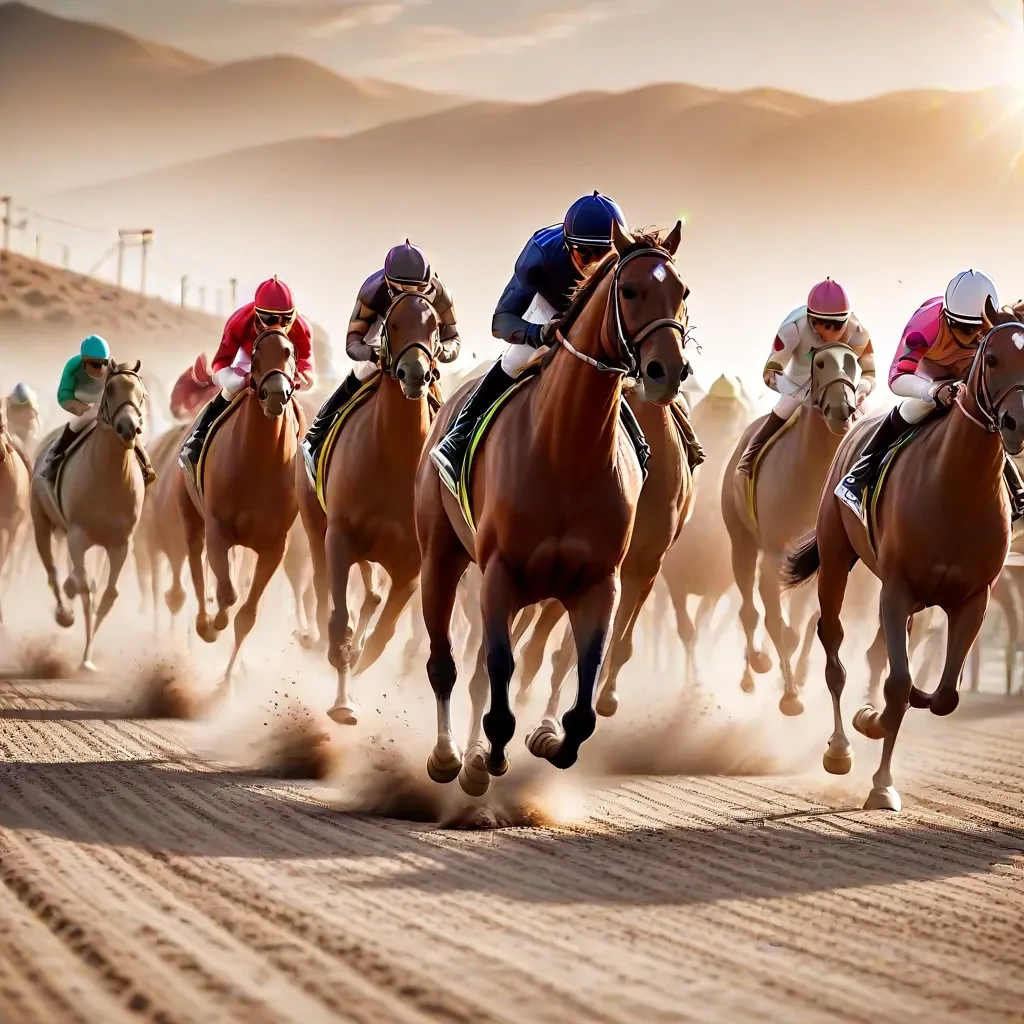
Pace pressure is a critical element in horse racing, often dictating the outcome of a race. It arises when multiple horses vie for the lead, engaging in an early speed duel. This contest can lead to exceptionally quick early fractions, forcing the front-runners to expend excessive energy. The intense battle at the front end becomes a self-destructive cycle, pushing horses beyond their sustainable limit. Imagine several horses, nostrils flared, muscles straining, locked in a fierce struggle for the top spot right out of the gate. Each stride demands maximum effort, pushing them closer to their anaerobic threshold.
The physiological consequences are significant. Horses forced to run at unsustainable speeds accumulate anaerobic debt, leading to a rapid build-up of lactic acid in their muscles. This metabolic shift results in fatigue and ultimately, fading in the later stages of the race. The early exertion depletes their energy reserves, leaving them vulnerable as the field turns for home. Often, races with intense pace pressure witness a “race collapse,” where the early leaders falter dramatically, creating opportunities for horses positioned further back.
How Pace Pressure Impacts Early Speed
A horse running alone at the front conserves valuable energy, establishing a comfortable rhythm and controlling the tempo of the race. However, when faced with pace pressure, energy expenditure skyrockets. The horse is forced to work harder to maintain its position, burning through its stamina reserves at an accelerated rate. This early pace duel drastically decreases the chances of the front-runner staying in front, ultimately fading. Gamblers beware as a contested pace dramatically reduces the odds of a wire-to-wire victory.
Opportunities for Closers and Stalkers
Closers and stalkers are prime beneficiaries of a fast, pressured pace. These horses, possessing tactical speed, sit behind the pack, patiently waiting for the leaders to tire. This allows them to conserve energy, maintaining a steady rhythm while the front-runners exhaust themselves. As the pace collapses, closers and stalkers capitalize on the situation, unleashing their finishing kick in the final stretch. They surge past the fading leaders, snatching victory from the jaws of defeat, transforming a blistering early pace into their ultimate advantage and providing exciting displays of late-race heroics.
Reading the Race: Predicting Pace Scenarios
Successful race analysis hinges on anticipating the pace. By dissecting various elements like prior performances, fractional times, post positions, and jockey habits, bettors can formulate a probable blueprint of the race and use this insight to their advantage. A keen understanding of pace dynamics is very important in the world of horse racing.
Analyzing Fractional Times & Speed Figures
Fractional times offer a window into how quickly a horse ran specific segments of a race (for example, the initial quarter or half-mile). Horses that consistently show quick early fractions are probably going to contribute to a rapid pace. Speed figures provide a standardized numerical value for a horse’s performance, considering elements like track conditions and distance. Reviewing figures such as Beyer Speed Figures or Brisnet Speed Ratings gives you another insight of a horse’s ability. Examining figures and fractional times can reveal a horse’s early speed and stamina.
The Significance of Draw Positions
The draw position, or post position, a horse gets can significantly impact its chances, The inside posts are helpful to horses who are fast starters, giving them the chance to seize the lead or secure a favorable position early. On the other hand, outside posts present difficulties, particularly on tracks with a short distance to the first turn. Based on the track design, the impact of the draw will be more obvious. Therefore, you should take starting position into account when predicting the result of a race.
Considering Jockey and Trainer Tendencies
Jockeys and trainers are not without their own habits and preferences, which can influence race strategy significantly. It will be useful to understand their habits. Some jockeys develop a reputation for their aggressive early speed tactics, trying to push their horses to the front from the start. Others are more measured, preferring to have their mount sit back before making a late move. Assessing trainer patterns, like a tendency to always send horses to the lead, can provide useful information. Publications such as Equibase can offer necessary insights into jockey and trainer statistics.
Track Conditions and Bias
Track conditions significantly influence a horse race’s pace and outcome. The racing surface, or “going,” isn’t always uniform. A firm track, offering a solid, even footing, typically benefits speed horses. These front-runners thrive on the opportunity to establish an early lead and maintain it, capitalizing on the track’s optimal conditions for quick acceleration.
Conversely, wet tracks – categorized as sloppy or muddy – introduce a different dynamic. These conditions slow the overall pace, demanding more stamina and often favoring horses with a preference for running in the slop. Closers, who conserve energy in the early stages, can excel on these surfaces, capitalizing on the tiring pacesetters. Track bias can also play a role. An inside horse might struggle if the outside portion of the track offers better footing, regardless of the overall surface condition. This is why monitoring the track and understanding its nuances is crucial for handicapping.
Handicapping for Pace: Actionable Strategies & Tactics
Incorporating pace analysis into your handicapping can significantly sharpen your betting edge. The goal is to identify vulnerable front-runners and pinpoint horses whose running styles are well-suited to the projected pace scenario. This approach helps unearth betting value often overlooked by the casual observer.
One tactic is to scrutinize races for front-runners likely to face early pressure. These horses are often over-bet, creating an opportunity to wager against them. Evaluate the risk/reward carefully, considering the potential for a total pace meltdown. Conversely, seek out closers possessing the speed to capitalize on a fast, contested pace. Look for those with a proven ability to make up ground in the late stages of a race.
Don’t shy away from betting on horses that buck conventional handicapping wisdom. The public often fixates on speed figures and past performances without considering pace dynamics. This oversight creates an opportunity to find value on horses that may be overlooked but are poised to benefit from the race’s tempo. By focusing on pace, you’ll increase your ability to sniff out betting opportunities and boost your chances of success.
Case Studies: Examples of Pace Punishing Leaders
Examining specific race examples vividly illustrates how excessive early speed can decimate front-runners, paving the way for unexpected victories.
Consider the 2009 Belmont Stakes. The early pace was suicidal, with the first quarter mile clocked in a blazing 22.92 seconds. This torrid speed took its toll on the early leaders, who faded dramatically in the stretch. A longshot, Mine That Bird, who had been far back early, surged late to finish strongly. The excessive pace set by the front-runners directly contributed to their undoing and Mine That Bird’s near-miraculous run.
Another compelling instance is the 2015 Kentucky Derby. American Pharoah, the eventual Triple Crown winner, was heavily favored. However, the early pace was contested, with several horses vying for the lead. While American Pharoah ultimately prevailed, several other horses who pressed the pace early faltered badly in the final stages. Frosted, for instance, who was a major contender, tired significantly after chasing the fast pace. This race underscores how even supremely talented horses can be vulnerable to the pace, and how critical it would be pace judgement.
These race examples highlight the critical importance of pace in horse racing. A blistering early pace can set up massive opportunities, benefiting closers and punishing those who expend too much energy early on. Understanding pace dynamics is crucial for handicappers and horseplayers alike, demonstrating that raw speed alone is not always a guarantee of victory.
Conclusion
Pace analysis stands as a powerful tool for enhancing horse racing handicapping skills and achieving greater betting success. By understanding how the race tempo unfolds and how horses perform under different pace scenarios, bettors gain a significant edge. Incorporating pace figures, identifying running styles, and recognizing track biases allows for more informed betting decisions. It’s about more than just picking a winner; it’s about understanding why a horse might win.
The ability to predict the race flow and anticipate which horses will thrive or falter due to pace dynamics can dramatically improve your accuracy. Start using pace analysis in your next race. By integrating this into your handicapping routine, you’ll be one step closer to making smarter and more profitable wagers and improving handicapping skills.